Dallas added roughly 28,000 jobs in the first half of 2026, a respectable number on paper — but the pace has slowed sharply compared with the 54,000 positions created in the same period last year, according to data from the Texas Workforce Commission. On a Fourth of July weekend when brutal heat has already forced the cancellation of public events across the region, the mood among local employers is less celebratory than cautious.
The deceleration matters because the Dallas-Fort Worth metro has spent the past four years selling itself as the economic alternative to coastal cities — a pitch that drew corporate relocations from California and New York and pushed the local unemployment rate to a historic low of 3.1 percent in late 2024. That era of near-frictionless growth appears to be closing. Construction costs remain elevated, office vacancy in the central business district sits above 24 percent, and small retailers across the region are confronting consumer spending that has simply gone flat.
Office Glut and the Uptown Problem
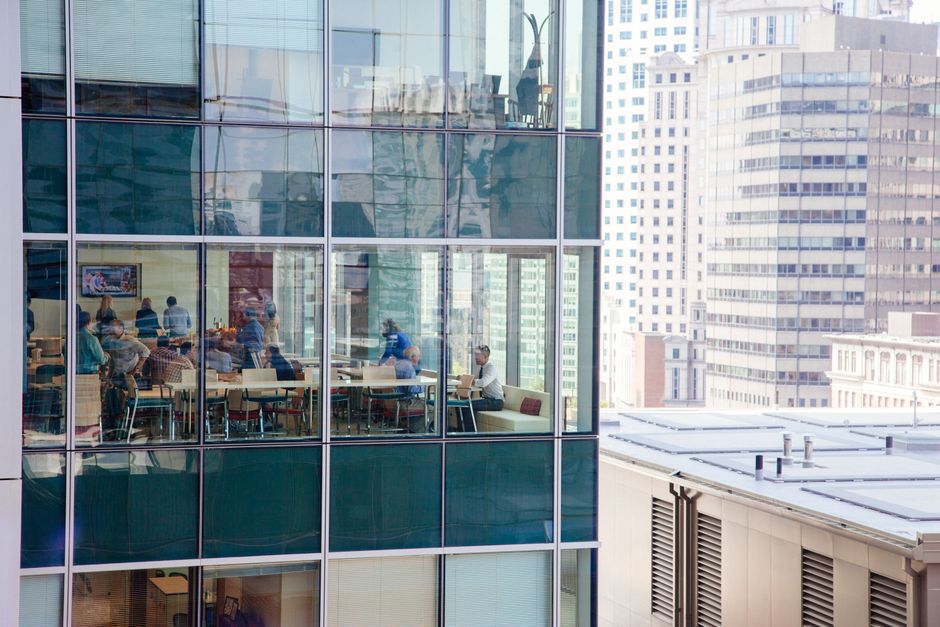
The most visible symptom is in Uptown, the dense mixed-use district north of downtown along McKinney Avenue. Brokers say nearly 2 million square feet of Class-A office space there is either vacant or being actively marketed for sublease. Several firms that relocated their headquarters to the area between 2021 and 2023 have since right-sized, shedding floors they no longer need. Meanwhile, a handful of ambitious towers approved during the post-pandemic boom are still under construction on Turtle Creek Boulevard, adding supply into a market that cannot currently absorb it.
The Dallas office market as a whole recorded negative net absorption of 1.4 million square feet in the first quarter of 2026 — meaning more space was vacated than was leased — according to figures from CBRE's Dallas office. Downtown rents that peaked at around $42 per square foot annually in 2023 have drifted back toward $36 to $38 for most buildings. Landlords on Ross Avenue and Pearl Street are offering rent-free periods of four to six months to attract tenants, a concession that would have been unthinkable 30 months ago.
The residential side of the market is under its own strain. The median home sale price in Dallas County hit $395,000 in May 2026, down about 6 percent from the peak recorded in the spring of 2024, per the MetroTex Association of Realtors. Mortgage rates hovering near 6.8 percent have kept many would-be buyers on the sidelines, and new listings in neighborhoods like Lake Highlands and Oak Cliff are sitting longer — an average of 41 days on market, up from 18 days two years ago.
Small Business and the Cost Squeeze
Deep Ellum, the entertainment and creative district east of downtown along Commerce Street, has become something of a barometer for Dallas small-business health. Several independent restaurants and music venues there have closed since January, citing a combination of higher insurance premiums, stubbornly elevated food costs and a drop in weeknight foot traffic. The Deep Ellum Foundation, which represents merchants in the area, has flagged the closures to Dallas City Council's economic development committee and is pushing for an expansion of the city's Small Business Assistance Program, which currently caps grants at $25,000 per applicant.
Federal trade policy is adding another layer of cost pressure. Tariffs on imported goods — including construction materials, electronics and restaurant equipment — have not eased as many local operators had hoped by mid-year. The Greater Dallas Chamber estimates that supply-chain costs for area manufacturers rose an average of 11 percent between January and June 2026, squeezing margins at industrial parks in Stemmons Corridor and along the Woodall Rodgers Freeway.
What comes next depends heavily on the Federal Reserve's next move. Most economists watching the Dallas Fed expect at least one interest rate cut before the end of 2026, which would provide some relief on borrowing costs and potentially restart the residential market. In the meantime, commercial brokers are advising clients to prioritize lease flexibility over square footage, and business owners along Knox-Henderson and Bishop Arts are being urged by the North Texas Small Business Development Center to revisit cash-flow projections before committing to expansion. The window for cheap capital has been closed for a while. The window for easy growth has now closed too.