finance
Dallas Employers Adapt to Rapid Workforce Development Shifts
Employers across Dallas must adapt to evolving workforce demands shaped by economic and technological factors.
How we reported this
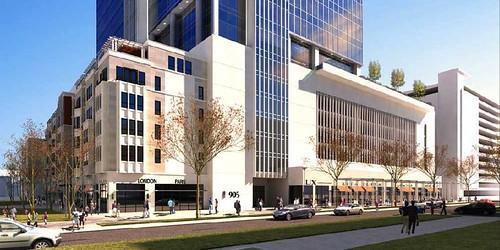
Dallas-area employers report a growing urgency to revisit their workforce development strategies as market trends evolve rapidly, driven by digital transformation and shifting employee expectations. Business leaders and economic planners alike emphasize the need for targeted skills training and talent retention approaches that respond to current challenges and opportunities.
Why Workforce Development is Critical Now
Workforce development is taking center stage as Dallas's dynamic economy, diverse industries, and competitive labor market place increasing pressure on organizations to maintain a skilled and resilient staff. The rise of automation, artificial intelligence, and hybrid work models has reshaped the skills companies require, pushing many to reconsider traditional hiring and training practices. At the same time, demographic changes and evolving worker preferences compel businesses to invest more in employee engagement and career pathways.
Local Workforce Efforts and Challenges
Dallas benefits from a robust set of training initiatives and workforce programs operated by entities such as the Dallas County Community College District and Workforce Solutions Greater Dallas, which focus on bridging skills gaps in sectors like technology, manufacturing, and healthcare. However, companies note that aligning these programs with real-time market needs, especially in emerging fields, remains a challenge. Industries clustered in areas like the Dallas Design District and along the North Stemmons Freeway corridor face stiff competition for talent, forcing some smaller firms to innovate beyond salary incentives to attract and keep workers.
Meanwhile, the city’s ongoing development boom around Victory Park and Uptown has sparked demand for skills related to construction technology and project management, highlighting how localized economic growth patterns influence workforce demands. Employers increasingly look towards partnerships with educational institutions to cultivate talent pipelines tailored to these regional needs.
Reliable quantitative data on the Dallas workforce underscores these challenges qualitatively, as anecdotal reports from business groups suggest turnover rates are climbing in key industries, and employers are adjusting recruitment strategies accordingly. Such evidence points to a market environment where flexibility and adaptability in workforce development are essential for sustaining competitiveness.
Looking ahead, Dallas organizations should prioritize continuous skills assessments, invest in learning and development platforms adaptable to technological changes, and foster closer collaborations with local training providers to ensure access to qualified candidates. Encouraging lifelong learning and upskilling within firms can better prepare employees for evolving roles, reducing turnover and enhancing productivity. As the city evolves, so too must the workforce strategies underpinning its economic vitality.
This article is general information only and is not personal financial or investment advice. Consider your own circumstances and seek licensed professional advice before making financial decisions.