finance
Dallas Commercial Boom: How New Development Changes Your Shopping
As Dallas expands its commercial footprint, local residents and shoppers face new realities in their everyday lives and spending habits.
How we reported this
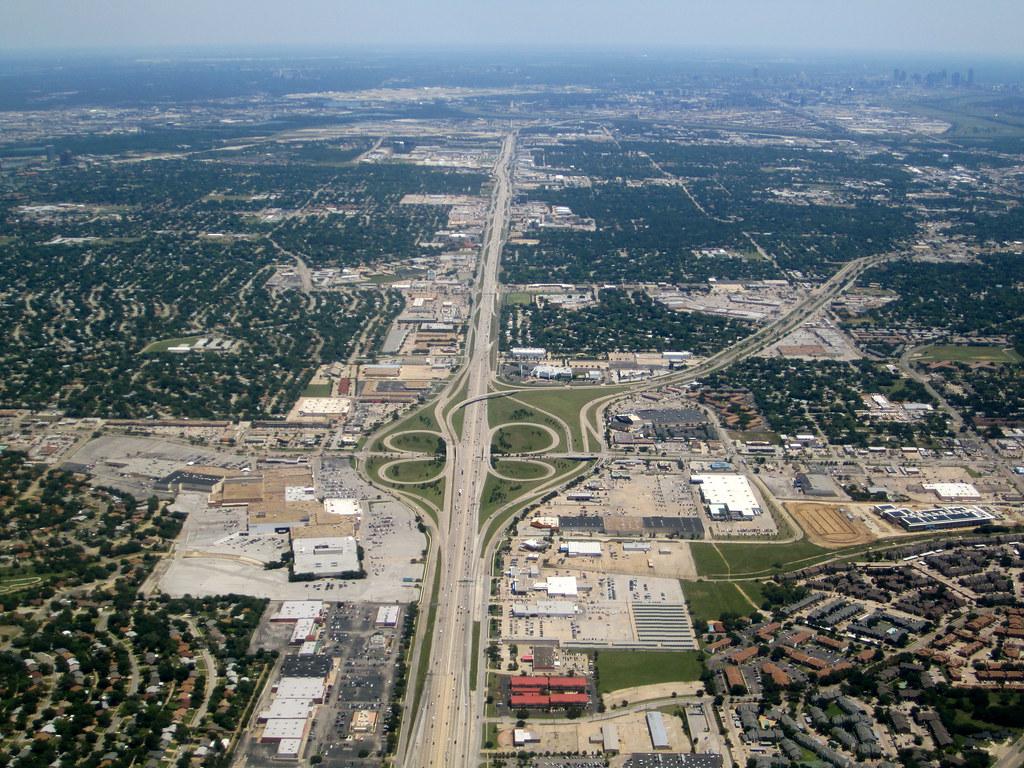
Dallas continues to grow as a major commercial hub, with new development projects reshaping shopping areas and business districts. For consumers and residents, this urban expansion brings changes that require attention, from altered traffic patterns to shifting retail landscapes.
Why the Pace of Development Matters Now
The timing of Dallas’s commercial development surge is crucial. The city’s role as a global economic player means that local infrastructure and consumer behavior must adapt to increase in commercial activity. This rapid growth impacts not only business opportunities but also the cost and convenience of access for everyday residents.
Developers focusing on mixed-use complexes and retail centers are lining up projects that promise convenience and enhanced amenities. However, these benefits can come alongside challenges such as increased congestion, shifting parking availability, and changes in neighborhood character, all of which touch consumers directly.
Local Landscape and Consumer Effects
Dallas neighborhoods like Uptown, Deep Ellum, and the Arts District have seen a spate of new commercial openings in recent years, blending retail, dining, and entertainment options. While these projects bring fresh experiences for residents, they also mean consumers should prepare for a higher level of foot traffic, new pricing models from upgraded venues, and possibly more competition among small businesses.
Transportation corridors near major commercial developments often face modifications. Commuters around corridors such as Woodall Rodgers Freeway and areas near Dallas Market Center experience adjusted traffic flows, which may extend travel times during peak shopping hours. These changes can affect everything from daily commutes to timing errands.
On a broader level, the commercial growth can contribute to price shifts. As mixed-use developments enhance local amenities, property and rental values nearby may experience upward pressure, which local residents need to factor into household budgets.
While exact pricing or timeline details relating specifically to Dallas commercial developments are not widely published in the latest reports, the qualitative evidence points toward a trend of increasingly sophisticated and denser commercial zones. Residents should expect the character of shopping and leisure in Dallas to evolve, impacting how they engage with local businesses.
Consumers are advised to stay informed about new development announcements and city planning meetings to anticipate how projects might affect their communities. Engaging with local business associations or neighborhood groups can provide timely insights into upcoming changes and help residents navigate the transforming commercial landscape.
In the end, Dallas’s commercial expansion offers both opportunities and challenges. For everyday residents, understanding these developments and planning around evolving patterns will be essential to making the most of what the city has to offer.
This article is general information only and is not personal financial or investment advice. Consider your own circumstances and seek licensed professional advice before making financial decisions.