finance
Dallas Entrepreneurs Launch New Businesses Amid Shifting Consumer Trends in 2026
As new businesses launch in Dallas, owners must navigate evolving consumer expectations and operational challenges to succeed in 2026.
How we reported this
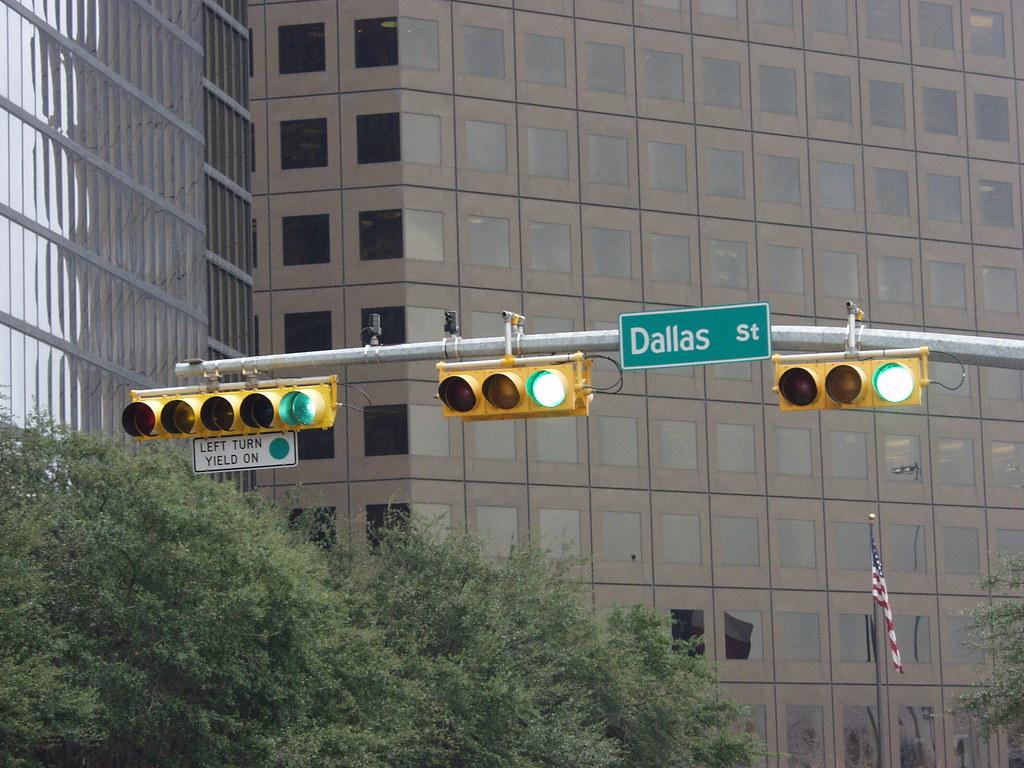
Dallas is witnessing a wave of new business openings this summer, signaling a dynamic local economy but also highlighting fresh challenges for entrepreneurs. From boutique retailers to tech startups, the city's commercial landscape is expanding, drawing attention to market trends that could shape success for incoming ventures.
Why This Surge in Business Activity Matters Now
The timing of this uptick aligns with broader national shifts in consumer behavior and economic conditions. Entrepreneurs in Dallas are responding to the post-pandemic normalization phase, where customers demand more personalized experiences alongside convenience. While Dallas has always been a hub for commerce, the current environment requires agility-businesses can no longer rely solely on traditional retail or service models but must adapt to digital integration and changing spending patterns.
Additionally, global uncertainties and issues such as supply chain disruptions have delayed some openings, making the surge particularly notable among those that have successfully maneuvered these obstacles. For new operators, understanding not just local market demand but also these external pressures is essential.
Local Business Landscape and Operational Realities
Dallas neighborhoods like Uptown and Deep Ellum have become hotspots for new cafés and artisanal shops, where rising rents put premium on foot traffic and differentiated offerings. Meanwhile, areas near the Dallas Innovation District are seeing growth in tech and service-oriented startups, emphasizing the city's reputation as a growing tech hub.
However, the influx comes with challenges. Increased competition means new companies must invest heavily in marketing and customer engagement to carve out space. Simultaneously, labor market tightening in Dallas complicates hiring, pushing businesses to enhance employee benefits and workplace culture.
This complex environment demands that businesses not only open doors but also build sustainable models that address both operational costs and evolving customer preferences.
Lessons from the Market: Adapting to Current Realities
Businesses starting up in 2026 Dallas must prioritize flexibility. Those integrating digital platforms alongside physical presence tend to attract and retain a broader customer base. Moreover, emphasizing community ties by engaging with local events and partnerships can create loyal customer networks resistant to fluctuations.
While profit margins remain a concern amid inflationary pressures, careful financial planning and phased growth approaches can mitigate risk. New entrants are advised to seek resources like the Dallas Regional Chamber’s small business programs and city economic development initiatives to navigate regulatory requirements and receive support.
Looking ahead, businesses that remain attuned to shifting consumer habits, invest in workforce development, and leverage technology will be positioned best in the competitive Dallas market environment.
This article is general information only and is not personal financial or investment advice. Consider your own circumstances and seek licensed professional advice before making financial decisions.