Property
How Much Rent Is Too Much? The 30% Rule in Practice
Dallas renters are stretching well past the old affordability threshold — and the math is getting harder to ignore.
4 min read
Updated 59 min ago
Property
Dallas renters are stretching well past the old affordability threshold — and the math is getting harder to ignore.
4 min read
Updated 59 min ago
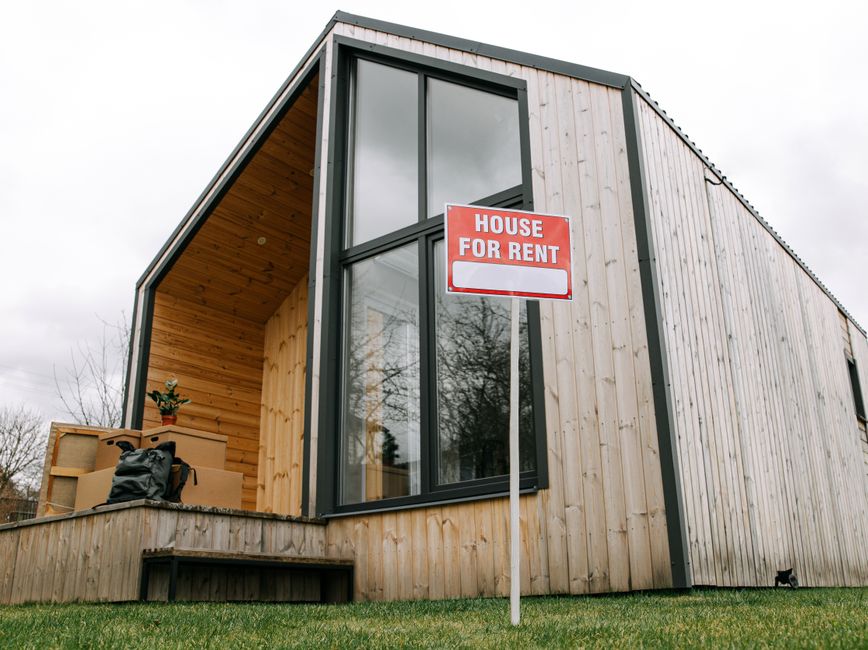
More than half of Dallas renters are spending above 30 percent of their gross monthly income on housing costs, according to the latest figures from the Harvard Joint Center for Housing Studies, which tracked the metric through the end of 2025. In a city where the median asking rent for a one-bedroom apartment hit $1,490 in June 2026, that old rulebook benchmark is colliding with a stubborn wage reality.
The 30 percent rule — the long-standing guideline that housing costs should consume no more than three dimes of every dollar earned — traces its roots to the 1969 Brooke Amendment, federal legislation that capped rent for public housing tenants. It was never meant to be a universal law of physics. But for Dallas renters deciding between signing a lease in Uptown or scraping together a down payment in Oak Cliff, it has become the most quoted number in every kitchen-table conversation about money.
The reason this bites harder right now: mortgage rates are sitting near 6.8 percent as of July 2026, having refused to fall as sharply or as fast as buyers hoped after the Federal Reserve's rate adjustments in late 2025. That has kept homeownership out of reach for many would-be buyers, pushing more households into rentals and giving landlords continued pricing leverage — particularly in high-demand corridors like Lower Greenville Avenue and the Design District along Turtle Creek Boulevard.
A renter earning the Dallas metro median household income of roughly $72,000 a year — about $6,000 a month gross — should technically cap housing spend at $1,800 to stay within the 30 percent guideline. In practice, a two-bedroom apartment in the Knox-Henderson neighborhood currently lists between $2,100 and $2,600 per month, depending on the building and amenities. That puts a median-income household 17 to 44 percent over the threshold before utilities, parking, or renter's insurance enter the picture.
The Dallas Housing Policy Task Force, which published a report in March 2026, estimated that approximately 214,000 renter households in Dallas County qualify as cost-burdened, meaning they exceed that 30 percent ceiling. Severely cost-burdened households — those spending above 50 percent — number around 89,000. Those figures have climbed in each of the last four years, even as the city's population growth has started to moderate slightly after the post-pandemic surge.
The Dallas Area Habitat for Humanity runs homebuyer education workshops out of its office on Singleton Boulevard in West Dallas, and staff there have reported a sustained uptick in attendees who are renters trying to understand whether buying actually pencils out at current rates. The short answer, for many, is still no — though the gap between a mortgage payment and a comparable rent payment has narrowed since its peak in late 2023 when mortgage rates were touching 8 percent.
Take a $280,000 starter home in Elmwood or southern Oak Cliff, the two neighborhoods where entry-level inventory has been most accessible. At 6.8 percent on a 30-year fixed mortgage, with five percent down, the monthly principal and interest payment lands around $1,775. Add property taxes — Dallas County's effective rate runs close to 2.1 percent — plus homeowner's insurance and private mortgage insurance, and the all-in monthly cost rises to roughly $2,400 to $2,500. A comparable rental in those same zip codes runs between $1,600 and $1,950. Renting still wins on raw monthly cash flow, at least in the short term.
The calculus shifts when you factor in equity accumulation, the mortgage interest deduction, and the historical appreciation of Dallas-area home values, which averaged about 4.2 percent annually over the decade ending in 2024 according to Dallas CoreLogic data. For renters planning to stay in the metro for five or more years, the long-run case for buying remains intact — if they can clear the down payment hurdle and find inventory before it gets absorbed.
Housing counselors at the nonprofit CitySquare, based near Fair Park on Malcolm X Boulevard, advise clients to calculate their personal break-even timeline before signing either a lease or a purchase contract. For most Dallas households in the $55,000 to $85,000 income band, that break-even sits between three and six years — which means the 30 percent rule, useful as it is, only tells part of the story. The harder question is how long you intend to stay, and whether your landlord's next lease renewal will answer it for you.
Property
Property

Property
Property
About this article
Published by The Daily Dallas
Spread the word
Daily brief
Free, in your inbox before 7am. Weekdays.