Wellness
Gut Health 101: Fermented Foods You Can Find Locally
From Bishop Arts to the Farmers Market, Dallas shelves are stocked with probiotics — here's what's worth your money and your attention.
4 min read
Wellness
From Bishop Arts to the Farmers Market, Dallas shelves are stocked with probiotics — here's what's worth your money and your attention.
4 min read
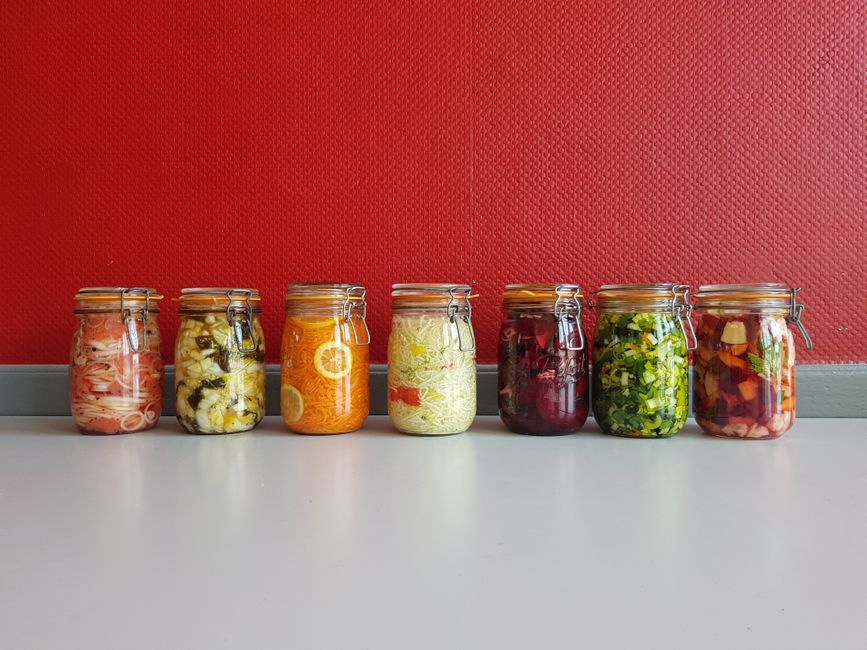
Sales of fermented foods at Dallas-area natural grocery stores climbed roughly 18 percent between January and June of this year, according to figures shared by Central Market's Preston Royal location this week. Kimchi, kefir, raw sauerkraut, kombucha — products that were specialty-aisle curiosities five years ago are now pulling prime shelf space near the checkout lanes.
The timing matters. Research published in the journal Cell back in 2021 — and still widely cited in nutrition circles — found that a 10-week high-fermented-food diet increased microbiome diversity and reduced 19 inflammatory proteins in participants. Doctors at UT Southwestern Medical Center, less than two miles from downtown Dallas on Harry Hines Boulevard, have been fielding more patient questions about gut health than at any point in recent memory, according to a spokesperson for the hospital's digestive health division. With hormonal and metabolic health dominating wellness conversations this summer, the gut microbiome has become the entry point for a lot of those discussions.
Local options are genuinely strong. Micro Bakery & Kitchen on Greenville Avenue in the M Streets neighborhood has been producing naturally fermented sourdough since 2019 — the long cold-fermentation process, typically 48 to 72 hours, preserves live cultures that commercial bread-baking kills off with speed and heat. A standard loaf runs $12 to $14. The staff can walk you through the difference between their country white and their whole wheat, which carries a denser bacterial count from the bran.
At the Dallas Farmers Market on South Pearl Expressway in the Farmers Market District, a vendor called Green Migardener Farms sells raw, unpasteurized sauerkraut in 16-ounce jars for $9. Unpasteurized is the operative word — heat kills the Lactobacillus bacteria that make fermented vegetables worth eating from a gut-health standpoint. Most supermarket sauerkraut is pasteurized; the stuff in the refrigerated section at the Farmers Market is not. The market runs Saturdays and Sundays, 9 a.m. to 5 p.m.
For kombucha, Revive Kombucha from California has solid distribution across Dallas Whole Foods locations, including the flagship on Greenville Avenue, but a more interesting local pick is Unity Vibration out of Michigan, which stocks the Lakewood Whole Foods on Abrams Road. A 16-ounce bottle typically runs $4.99 to $5.99. If you want something genuinely local, Cidercade on Commerce Street — better known as an axe-throwing and arcade bar — actually pours a house-fermented jun tea (honey-based kombucha) on tap on weekend evenings. Not exactly a wellness destination, but the product is real.
Gut health has a marketing problem. Plenty of products slap "probiotic" on the label without meaningful bacterial counts or without strains shown to survive stomach acid. The International Scientific Association for Probiotics and Prebiotics recommends looking for products that list specific strains — Lactobacillus acidophilus, Bifidobacterium longum — along with a colony-forming unit count of at least one billion per serving. Many grocery-store yogurts clear that bar; many expensive supplement blends do not.
Kefir is arguably the most cost-effective entry point. Lifeway Kefir, widely available at Tom Thumb locations across North Dallas including the Frankford Road store in Addison, runs about $5.49 for a 32-ounce bottle and delivers up to 25 to 30 billion CFUs per cup across 12 live and active cultures. That's a harder number to beat at that price point.
If you're newer to fermented foods, registered dietitians generally suggest starting with one serving a day and building slowly — the gut adjustment period is real and can involve temporary bloating for the first week or two. The Baylor Scott & White Health network, which operates clinics throughout the Dallas-Fort Worth metro, offers one-on-one nutrition consultations and can help you build a gut-health plan calibrated to your specific digestive history. Their website lists telehealth slots available as soon as next week. Start with food. Get guidance before stacking supplements on top.

Wellness

Wellness

Wellness
Wellness
About this article
Published by The Daily Dallas
Spread the word
Daily brief
Free, in your inbox before 7am. Weekdays.
The Daily Network — local news across Australia