Wellness
Walking Meditation: How to Turn Your Daily Walk Into Mindfulness
Dallas's trail network and urban greenways give residents a ready-made classroom for one of the most accessible stress-reduction practices going.
4 min read
Updated 3 h ago
Wellness
Dallas's trail network and urban greenways give residents a ready-made classroom for one of the most accessible stress-reduction practices going.
4 min read
Updated 3 h ago
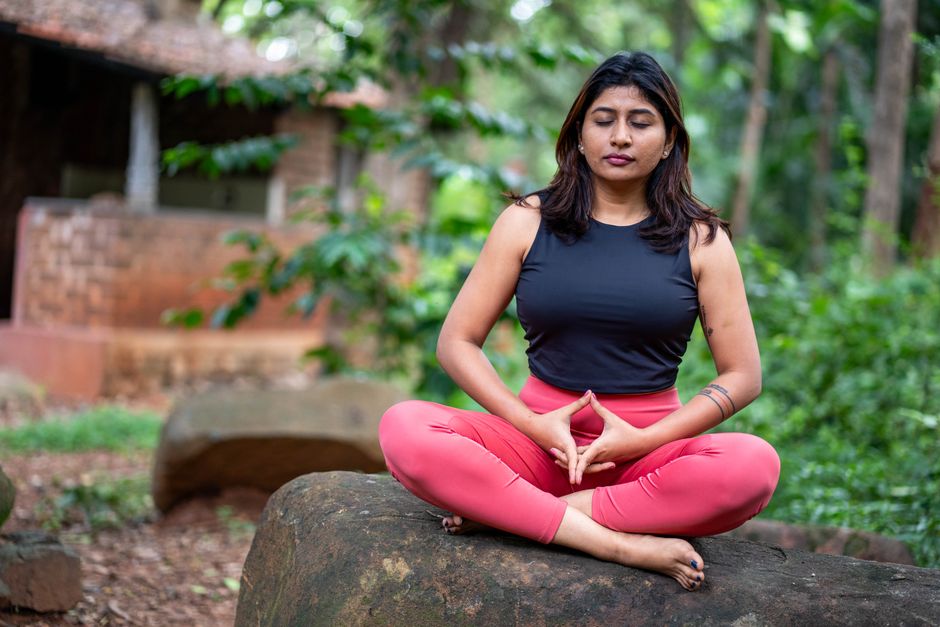
Most Dallasites already walk. What they're not doing is paying attention while they do it. Walking meditation — the practice of anchoring awareness to each step, breath, and sensory detail rather than a podcast or a to-do list — is gaining serious traction among wellness practitioners here, and the city's 300-plus miles of trail infrastructure makes it unusually easy to start.
The timing matters. Hormone disruption, chronic stress, and burnout are dominating health conversations heading into the second half of 2026, with clinicians and researchers pointing repeatedly to sustained attentional practices — not just single-session relaxation — as the interventions that actually move the needle on cortisol and sleep quality. Walking meditation sits squarely in that category. It costs nothing, requires no equipment, and can be done on a lunch break along the Katy Trail.
The Katy Trail, a 3.5-mile paved corridor running from Reverchon Park near Turtle Creek up to the American Airlines Center area, has become a default venue for informal mindfulness walking groups. The White Rock Lake Loop — just over nine miles around — draws weekend walkers who treat the circuit as both exercise and mental reset. Both routes offer enough natural buffer from traffic noise to make sensory focus genuinely achievable.
Two organisations in Dallas are actively structuring this practice for people who don't want to go it alone. The Momentous Institute, headquartered on Maple Avenue, integrates mindfulness-based movement into its community mental health programming and has offered adult workshops that include walking components since at least 2023. Separately, the Dallas Arboretum and Botanical Garden — 66 acres on the eastern shore of White Rock Lake — runs periodic mindfulness and movement programming through its wellness partnerships; a morning walk through the Pecan Grove section of the grounds is about as deliberately paced an environment as you'll find in Dallas County.
Studio-based meditation providers like Centered Meditation in Uptown have also begun bridging indoor seated practice with outdoor extension sessions, recognising that members who only meditate in a controlled room rarely transfer the skill to daily life.
A 2023 meta-analysis published in the journal Mindfulness examined 28 randomised controlled trials and found that mindful walking interventions reduced self-reported anxiety scores by an average of 18 percent over programs lasting six to eight weeks — comparable to seated mindfulness-based stress reduction. Crucially, dropout rates were lower for walking-based formats, which researchers attributed to the lower barrier to entry.
On the cost side: structured walking meditation apps like Insight Timer — which had more than 26 million registered users as of early 2026 — offer guided walking sessions free of charge. Paid teacher-led courses through providers like the Search Inside Yourself Leadership Institute run roughly $650 for a two-day intensive, though sliding-scale options exist. For most people in Dallas, the honest answer is that a pair of shoes and the Katy Trail handle 90 percent of what they need.
The core technique is straightforward. Pick a route you know well enough not to navigate consciously — the stretch of the Santa Fe Trail through the Design District works well. Walk at about 70 percent of your normal pace. Focus sequentially on the physical sensation of your feet contacting the ground, the rhythm of your breathing, and then widen attention to ambient sound — birds, distant traffic, wind through the live oaks near Reverchon Park. When your mind wanders to your inbox, you notice that it wandered, and you return. That's the practice. That's all of it.
Practitioners who stick with it for at least three weeks — 20-minute sessions, four times a week, is the threshold most instructors use — typically report that the attentional muscle built outdoors starts showing up elsewhere: in difficult meetings, in long commutes on I-35, in the hour after the kids go to bed. The Momentous Institute's community programming resumes its fall schedule in September. The Arboretum's guided morning walks usually run Saturday mornings starting at 8 a.m. Check both organisations' websites for current dates. The Katy Trail is available now, today, and doesn't require a registration form.

Wellness

Wellness

Wellness

Wellness
About this article
Published by The Daily Dallas
Spread the word
Daily brief
Free, in your inbox before 7am. Weekdays.
The Daily Network — local news across Australia