Wellness
Screen Time and Sleep: What the Research Actually Shows
New science is complicating the familiar advice to ditch your phone before bed — and Dallas's wellness community is paying close attention.
4 min read
Updated 3 h ago
Wellness
New science is complicating the familiar advice to ditch your phone before bed — and Dallas's wellness community is paying close attention.
4 min read
Updated 3 h ago
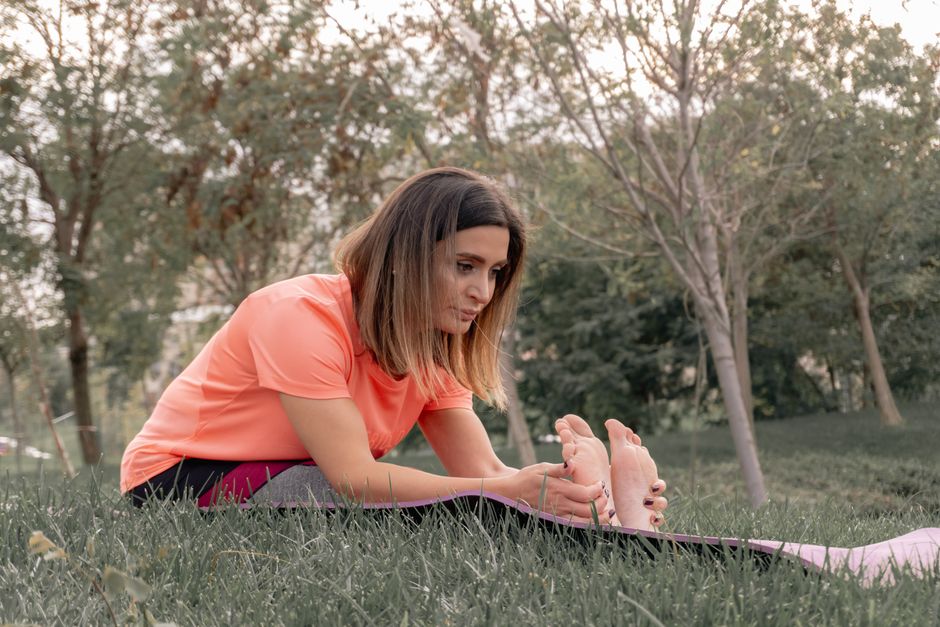
The blue-light bogeyman may be getting more credit than it deserves. A growing body of peer-reviewed research published through early 2026 suggests the relationship between screen time and poor sleep is messier — and more nuanced — than the blanket "phones cause insomnia" narrative that has dominated wellness culture for the better part of a decade.
This matters right now because screens are not going anywhere. The American Academy of Sleep Medicine reported in its 2025 annual survey that 73 percent of U.S. adults use a phone or tablet in the 30 minutes before bed at least five nights a week. Meanwhile, the sleep-aid market — apps, wearables, supplements — crossed $100 billion globally last year. Dallas sits squarely inside that spending culture. The city's wellness sector, anchored in neighborhoods from Uptown to Deep Ellum, has ballooned over the past three years, with sleep-specific programming now offered at boutique studios that didn't exist in 2022.
The blue-light hypothesis — that short-wavelength light from LED screens suppresses melatonin and delays sleep onset — is real but overstated. A landmark 2024 Oxford study tracked 89,000 participants over two years and found that blue-light blocking glasses produced no statistically significant improvement in sleep quality or duration. The stronger variable, researchers concluded, was psychological arousal: what you're doing on the screen matters far more than the light it emits. Scrolling conflict-heavy social media at 11 p.m. spikes cortisol. Watching a familiar, low-stakes TV show in a dim room may not.
The distinction is consequential. A 2025 paper in Sleep Medicine Reviews found that passive screen use — streaming video with minimal interaction — delayed sleep onset by an average of just four minutes in adults who otherwise maintained consistent sleep schedules. Active, emotionally engaging use — news feeds, arguments in comment sections, work email — pushed that number to 27 minutes. For Dallas residents already contending with a cost-of-living environment that has tightened household budgets since 2024, late-night financial anxiety scrolling is a documented compounding factor.
The Sleep & Wellness Center at UT Southwestern Medical Center on Harry Hines Boulevard runs one of the Southwest's busier sleep medicine clinics and has been integrating screen-behavior counseling into its standard intake assessments since January 2026. The program does not prescribe blanket screen bans. Instead, clinicians use a structured intake tool called the Digital Arousal Index to categorize patient screen habits before recommending behavioral adjustments.
On the community side, the Dallas Yoga Center on Gaston Avenue in East Dallas added a Thursday-evening "Sleep Reset" workshop this spring, priced at $22 per session, that explicitly addresses the screen-behavior research rather than defaulting to generic device-free advice. Instructors walk participants through identifying their specific pre-bed screen triggers — a practical pivot from the one-size-fits-all digital curfew approach that dominated wellness programming five years ago.
Whoop and Oura Ring wearables are common in Dallas's active wellness community, and local sleep coaches affiliated with Cooper Aerobics Center in Preston Hollow have begun pulling device data directly into consultations. The consensus forming among practitioners there: consistent sleep and wake times predict sleep quality more reliably than screen-free hours alone.
The practical takeaway is specific rather than sweeping. Set your phone's app limits to flag emotionally activating applications — news, social media, financial apps — after 9:30 p.m. Keep streaming or passive reading on a separate, lower-brightness device if that's how you wind down. Prioritize a fixed wake time, even on July Fourth weekend. And if you've been spending $40 a month on a blue-light glasses subscription believing it's protecting your sleep, the 2024 Oxford data suggests that money may serve you better in a Thursday-night yoga class.
For anyone experiencing chronic insomnia — defined as difficulty sleeping at least three nights per week for three or more months — the UT Southwestern Sleep Center accepts new patient referrals year-round. A board-certified sleep physician is still the most reliable starting point.

Wellness

Wellness

Wellness

Wellness
About this article
Published by The Daily Dallas
Spread the word
Daily brief
Free, in your inbox before 7am. Weekdays.
The Daily Network — local news across Australia